
Water path diagnosis
We inspect the vehicle and interior evidence to distinguish the point where water appears from the place it actually enters.
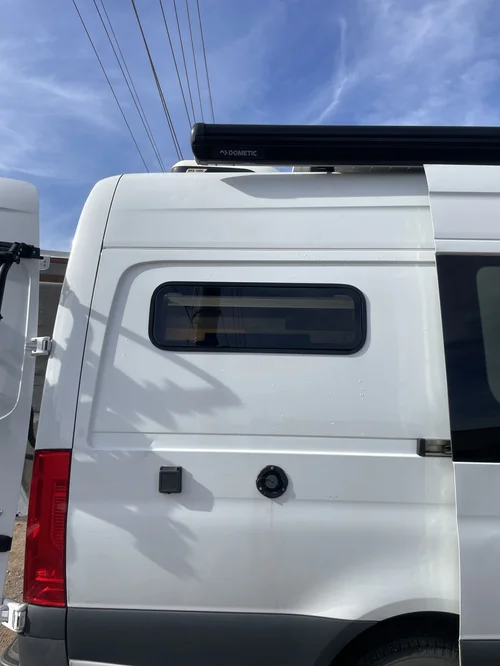
Water, Roof & Window Leaks
Water rarely appears where it enters. We trace the path, identify the failed seal or penetration, and repair the source before it becomes a larger build problem.
Diagnose Before Repair
A leak can travel behind panels, along wiring, or through insulation before showing itself. That is why covering the wet spot with more sealant often does not solve the problem.
New Life inspects the likely entry points, narrows down the water path, and uses the right surface preparation and sealant for the material and location. The goal is a targeted repair—not a temporary patch hiding a larger issue.
What We Trace
Factory openings, conversion components, and rooftop hardware all create places where age, movement, or an incorrect seal can let water into the build.
We inspect the vehicle and interior evidence to distinguish the point where water appears from the place it actually enters.
Fans, A/C units, solar mounts, racks, antennas, skylights, and factory seams are checked for failed or incompatible sealing.
We evaluate the window, frame, sealant, and surrounding opening to determine whether it needs a targeted reseal or to be removed and reset.
The affected area is prepared for the correct repair material, then inspected to reduce the chance of water finding the same path again.
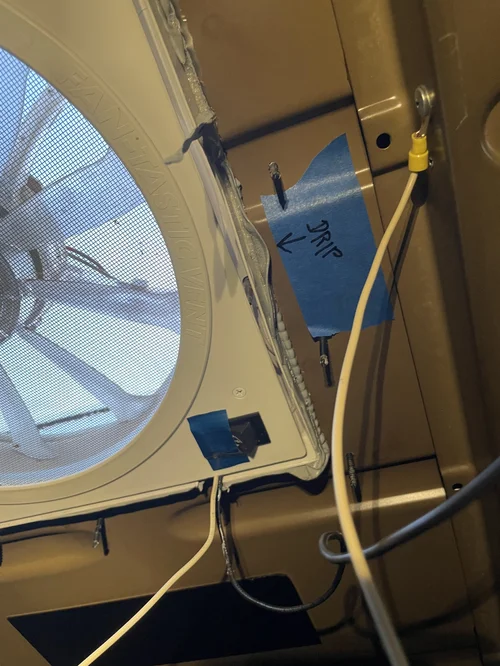
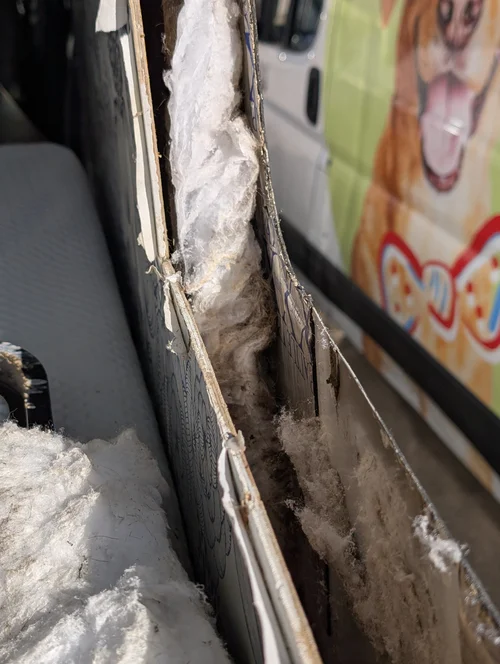
Watch for These Signs
If you are unsure, photograph when and where the issue appears and send it with your service request.
Tell the New Life team when it happens, where you see it, and what is mounted nearby. Photos help us prepare, but the source still needs to be confirmed at the shop.